#cambodia #travel #adventure
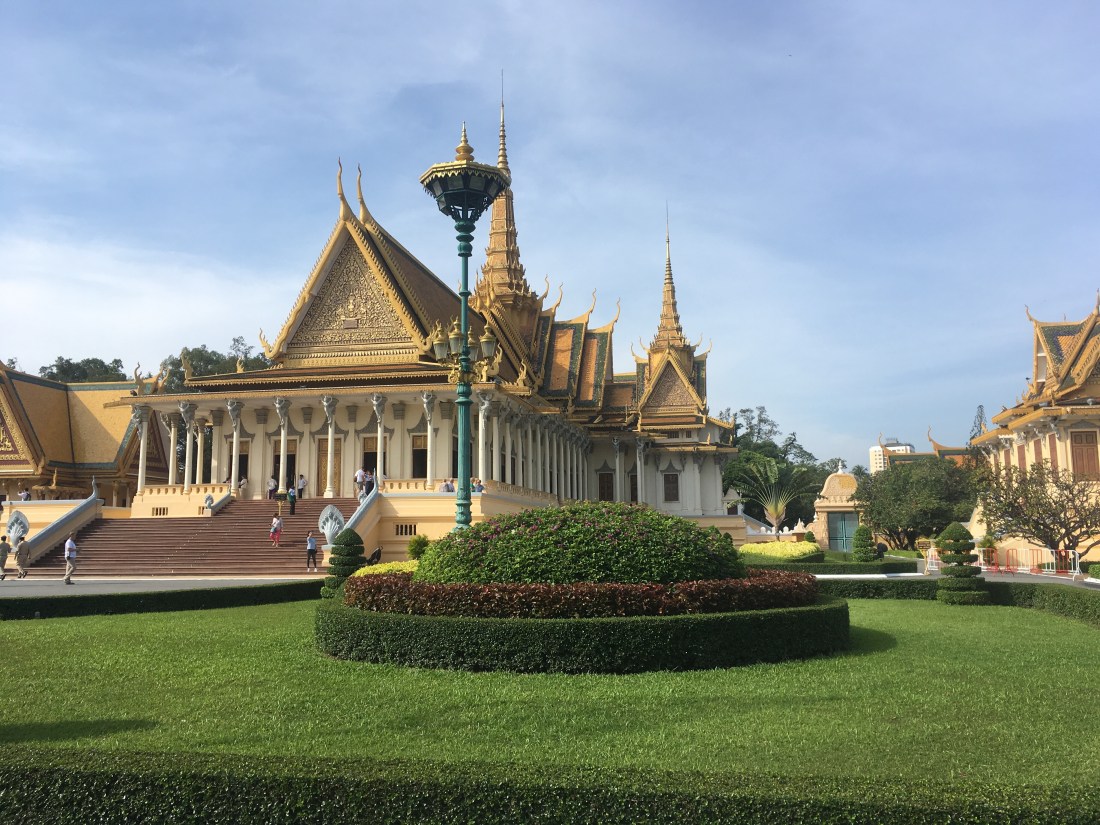
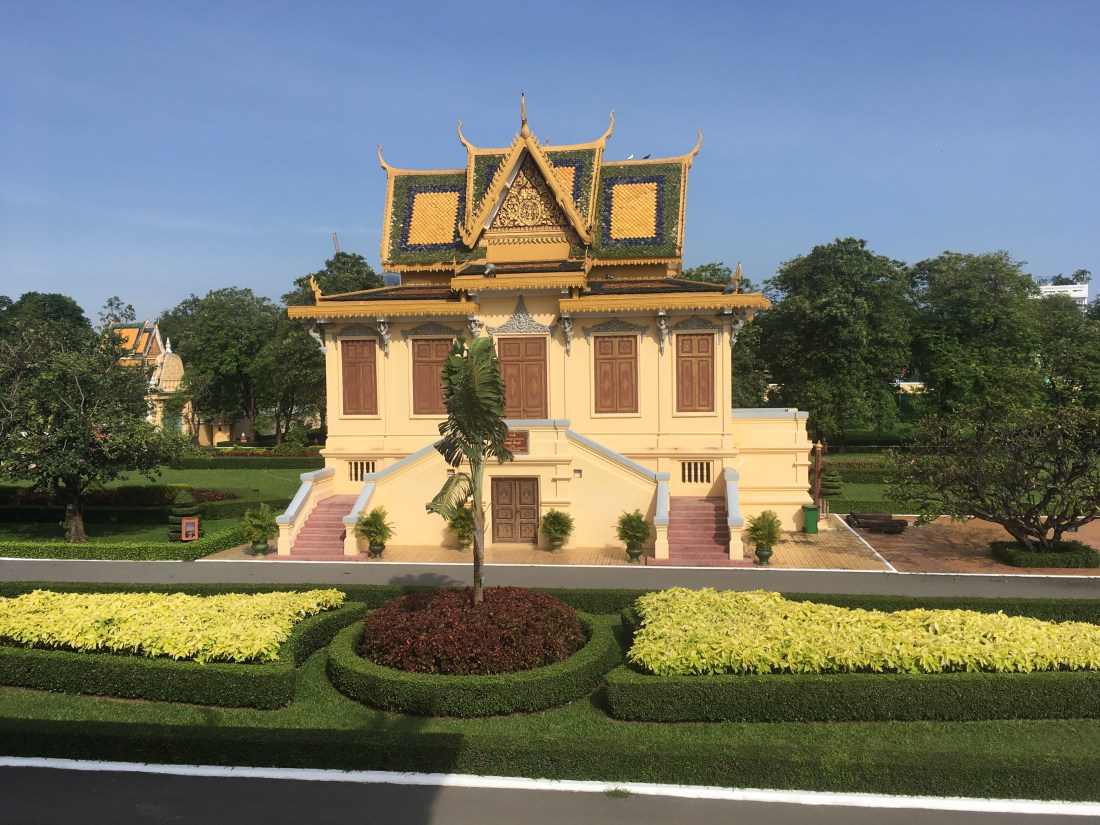
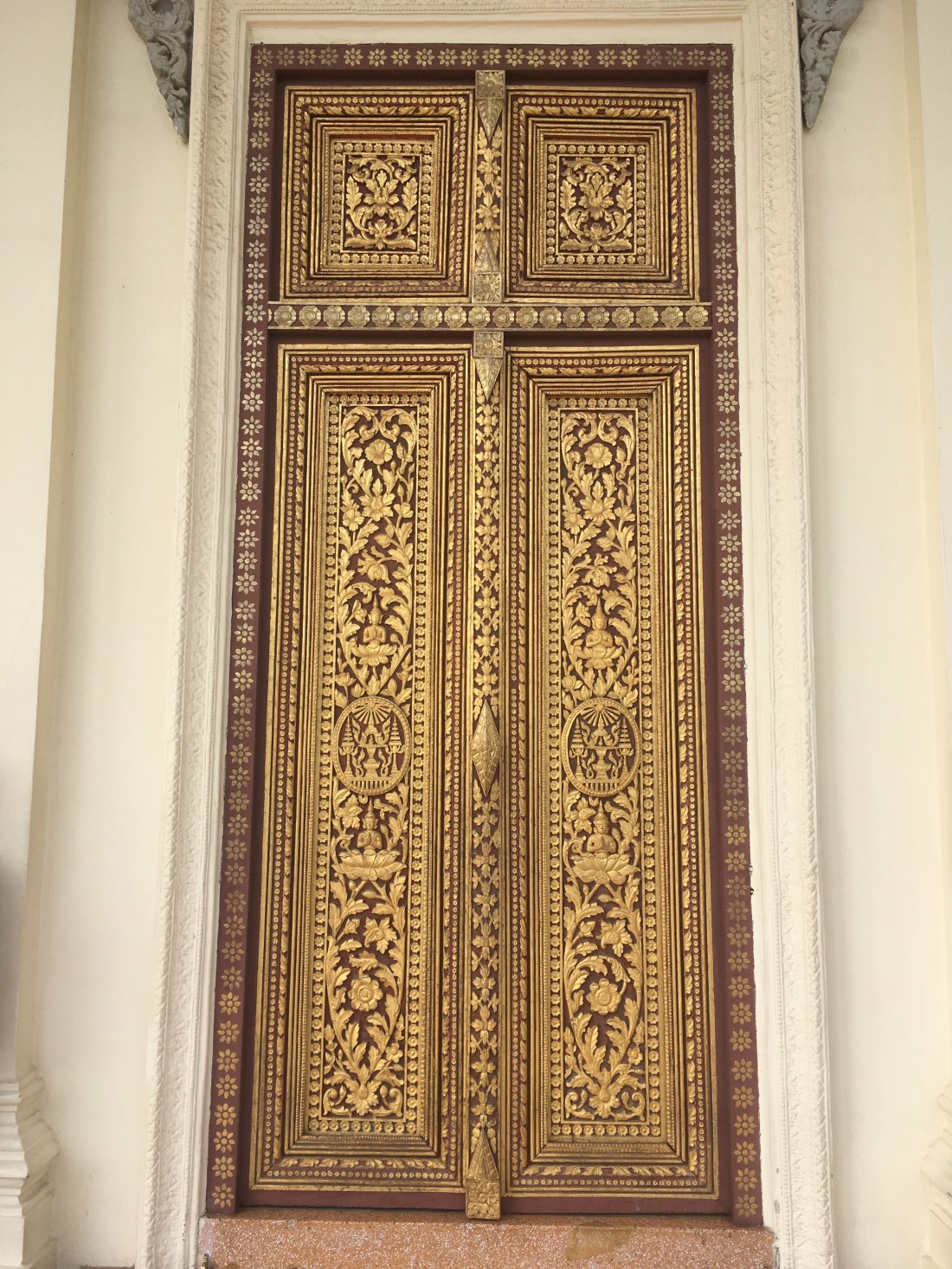
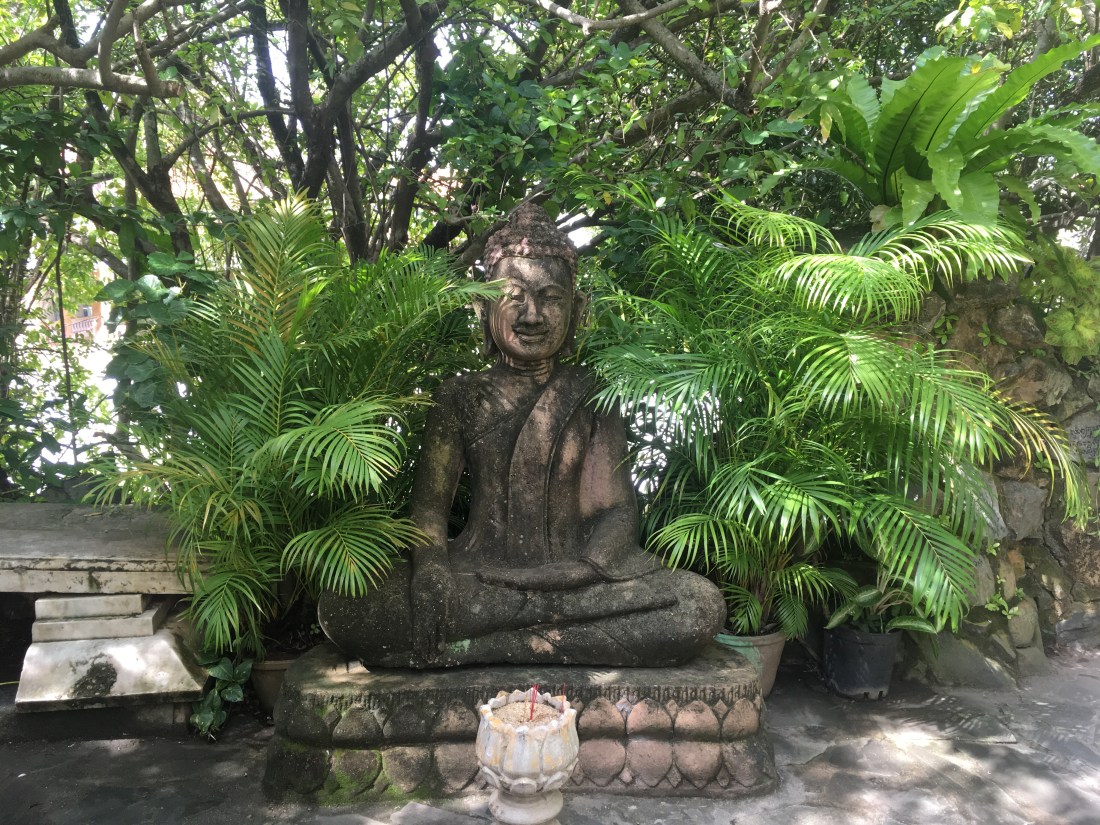
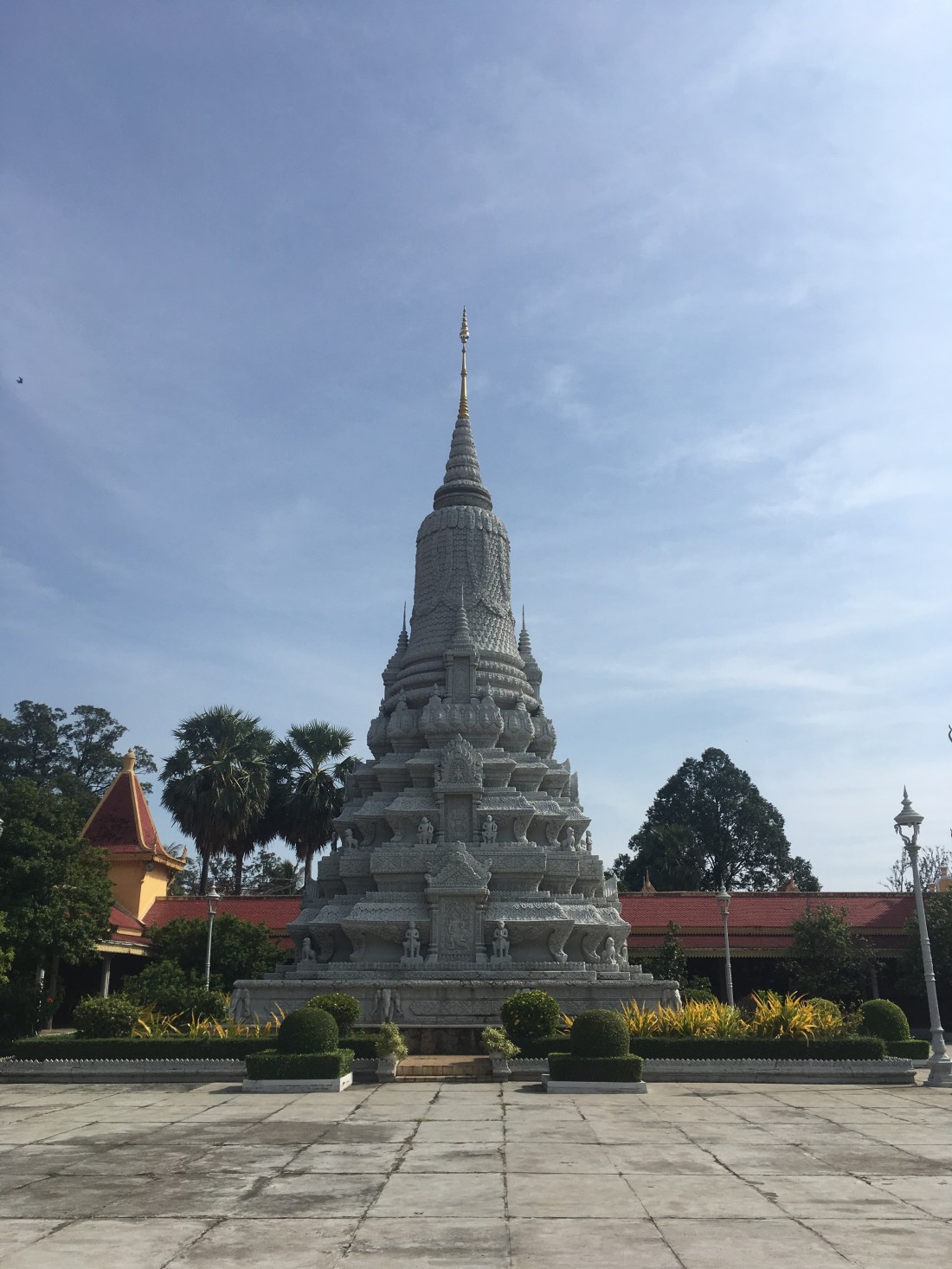
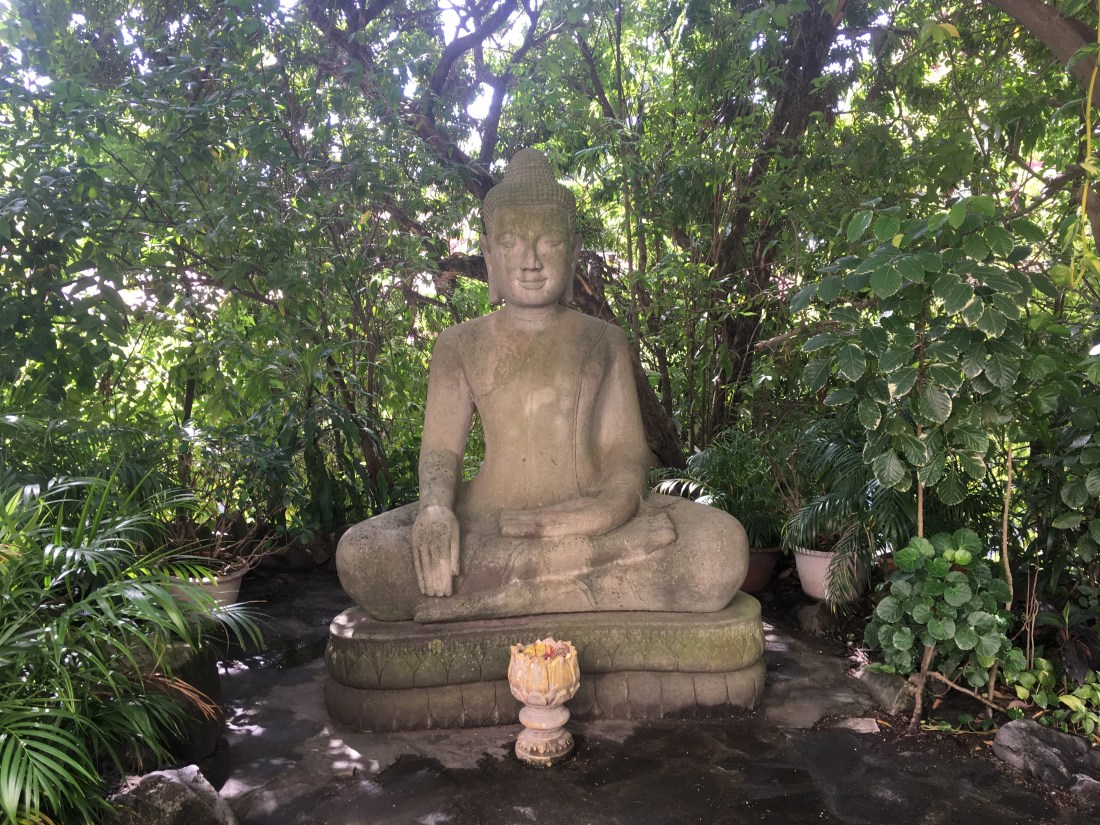
Today was our second of two days off the bike and a somewhat sobering one at that. We started off with a short bus ride to the palace. The wealth the country used to have was extremely evident. Many different pavilions, decorated lavishly and full of gold and silver ornaments. One housed the biggest solid gold Buddha in Cambodia.
For contrast, from there we were driven to visit just one of the 400 Killing Fields where we witnessed the atrocities of the Kymer Rouge, and much of the reason the country lost its wealth.
In 1975, after years of civil war and unrest, the ultra-communist Kymer Rouge, led by Pol Pot, took control of the capital Phnom Penh over a three day period, and terrified the residents enough for them all to leave. He told them that the capital would be bombed if they didn’t leave immediately. The people fled to the countryside, by foot, taking no belongings with them at all, as they were told they would be kept safe and not to worry. But they were not allowed to return, and lost all of their homes and possessions. They were forced to work for the regime only and anyone who tried to flee, or were deemed to be too intelligent or academic were killed – a systematic extermination of “intellectuals”, professionals and basically anyone who was not a farmer.
This lasted 4 years and over that time 3 million men, women and children were killed. At the Choeung Ex Genocidal Centre, on the site of the Killing Fields, they have built a memorial to house the remains of some of the victims, to teach younger generations about the horrors of genocide and of course, to teach foreign visitors of their history. 20,000 people were killed at this site alone, brought in by bus from the S21 detention centre. They found 129 mass gravels, 86 of those have been excavated, the remains cleaned and re-housed within the memorial tower.
This all happened in our lifetime, when me, the Bloke and our guide were children. (I remember it being in the news as a child, it is very disturbing knowing the executioners are very likely to still be alive and unpunished or that this kind of ethnic cleansing is still happening elsewhere in the world right now :bloke). I felt very uncomfortable taking pictures here, but the Cambodian people are keen to share their story and educate people of their history even if on a personal level they don’t like discussing it. I couldn’t possibly put into words what we saw, with out taking these pictures I would struggle to convey the horror of this place (the witnesses stories are heartbreaking, the Killing tree was appalling, it was all I could do to keep it together :bloke). Because bullets were expensive, prisoners were killed with whatever the executions could find including: axe, hoe, sticks, bayonet, rifle cleaning rod, plastic bag over the head. We were told many were only struck unconscious and ultimately died of suffocating when buried.


 People have left bracelets on the tree and around the fence as a gesture to all those who suffered here.
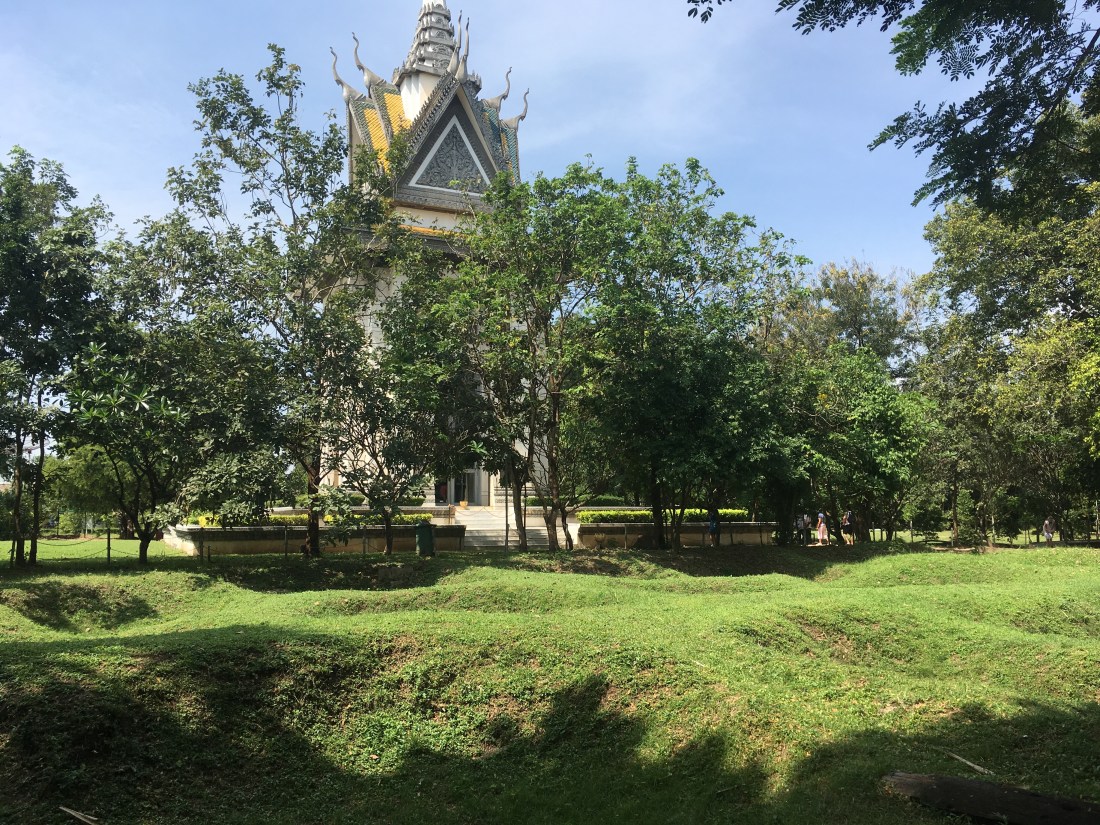 The dips in the grass are the excavated mass gravels.
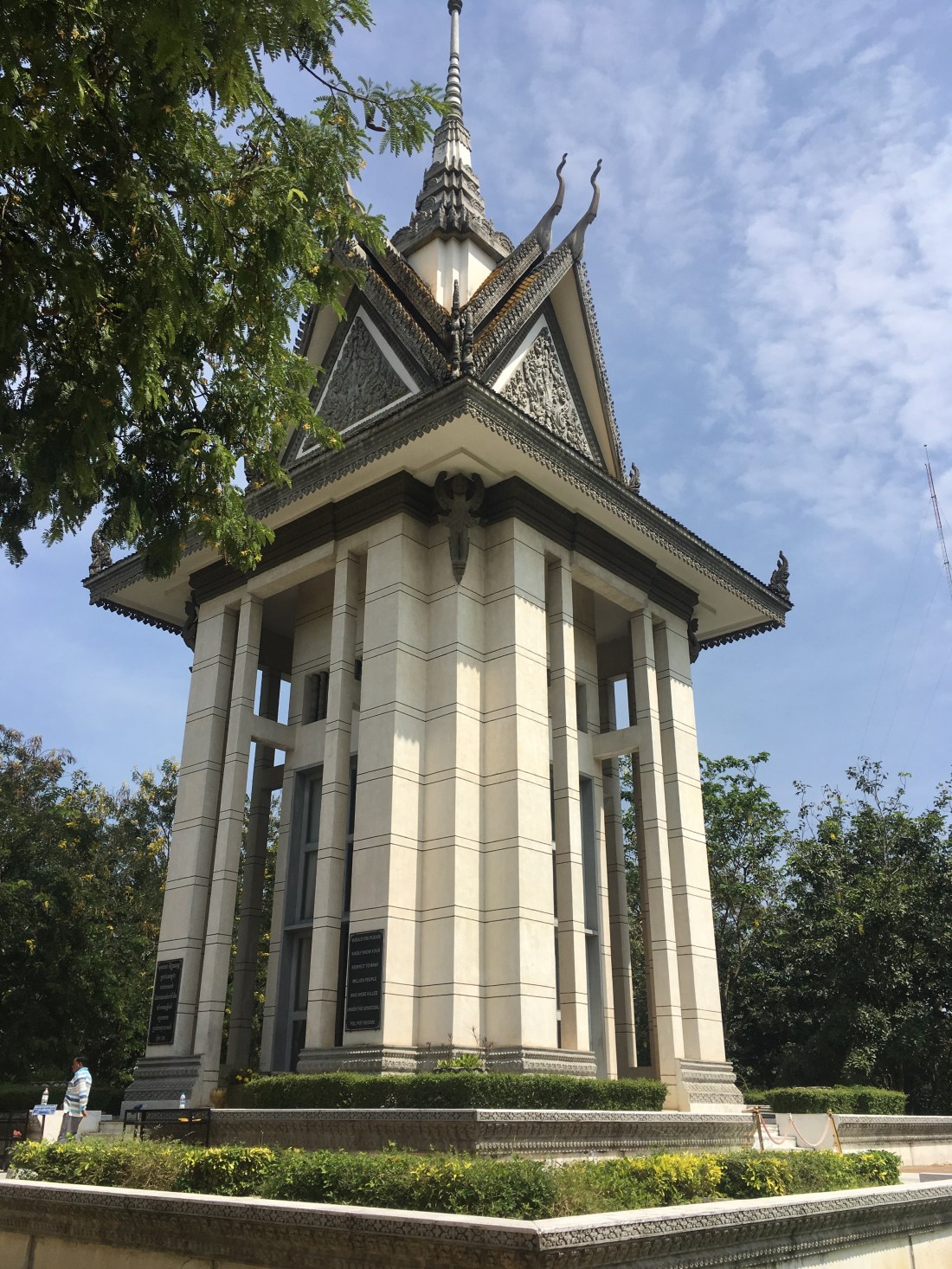 The memorial tower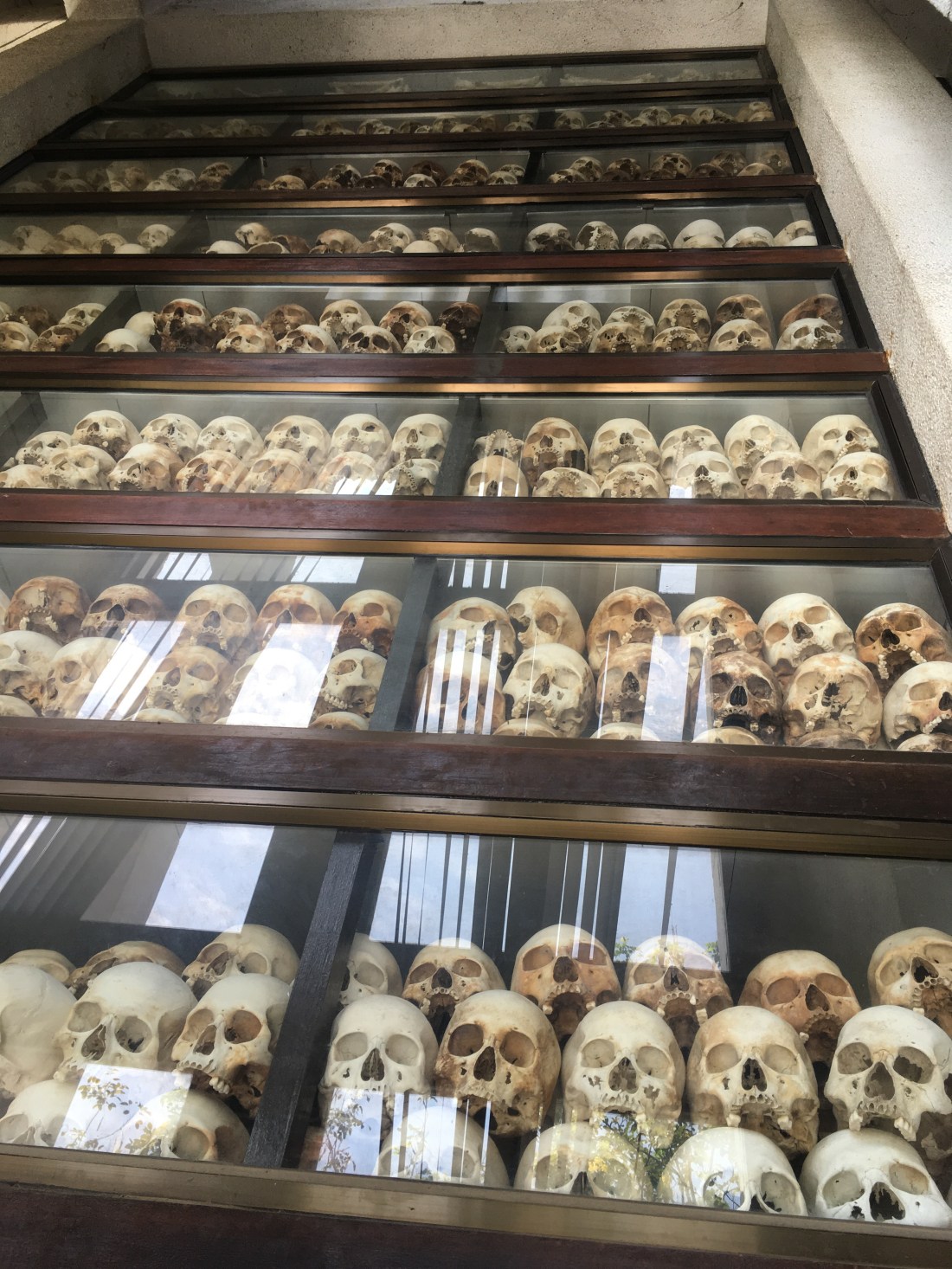

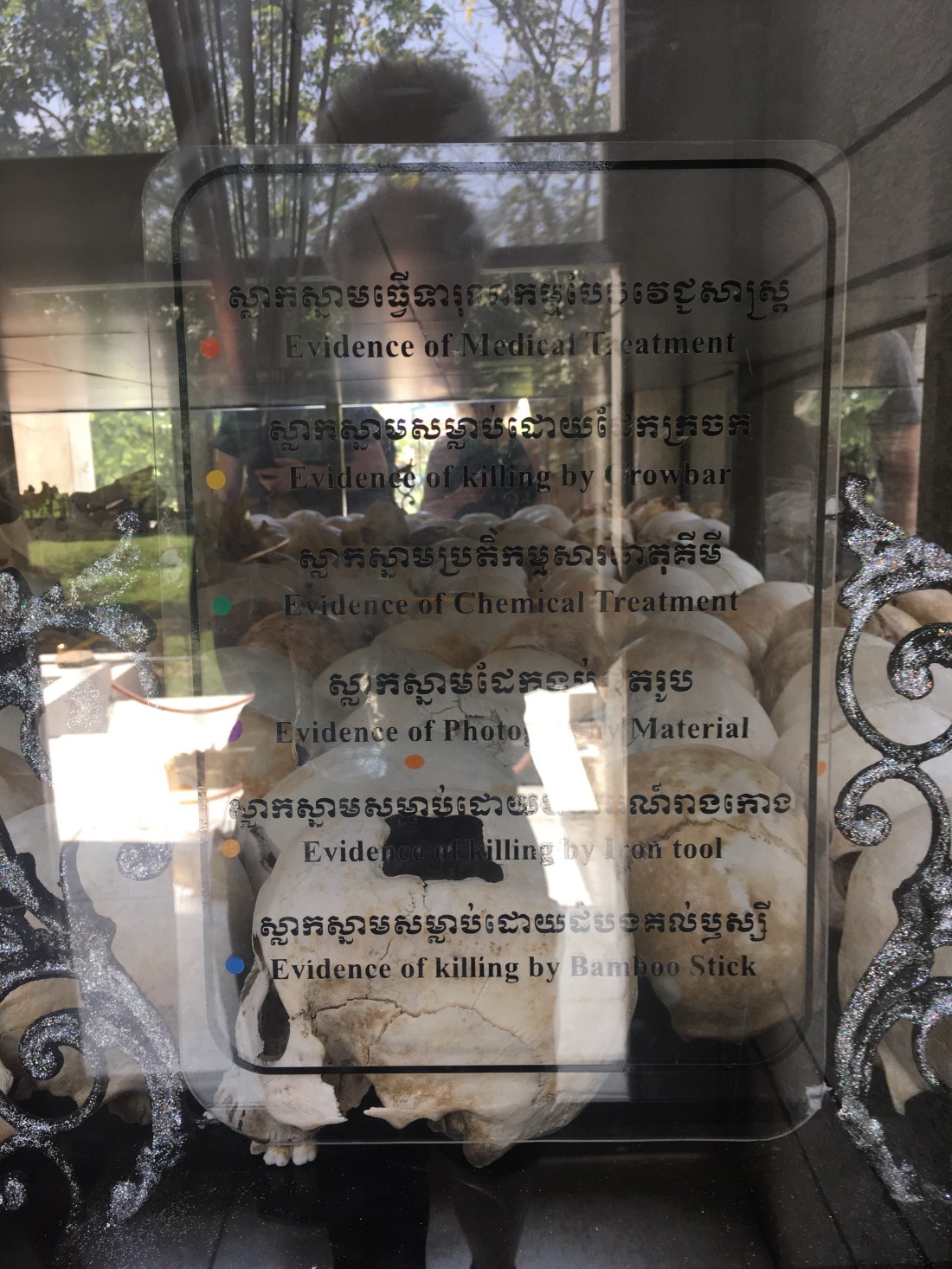
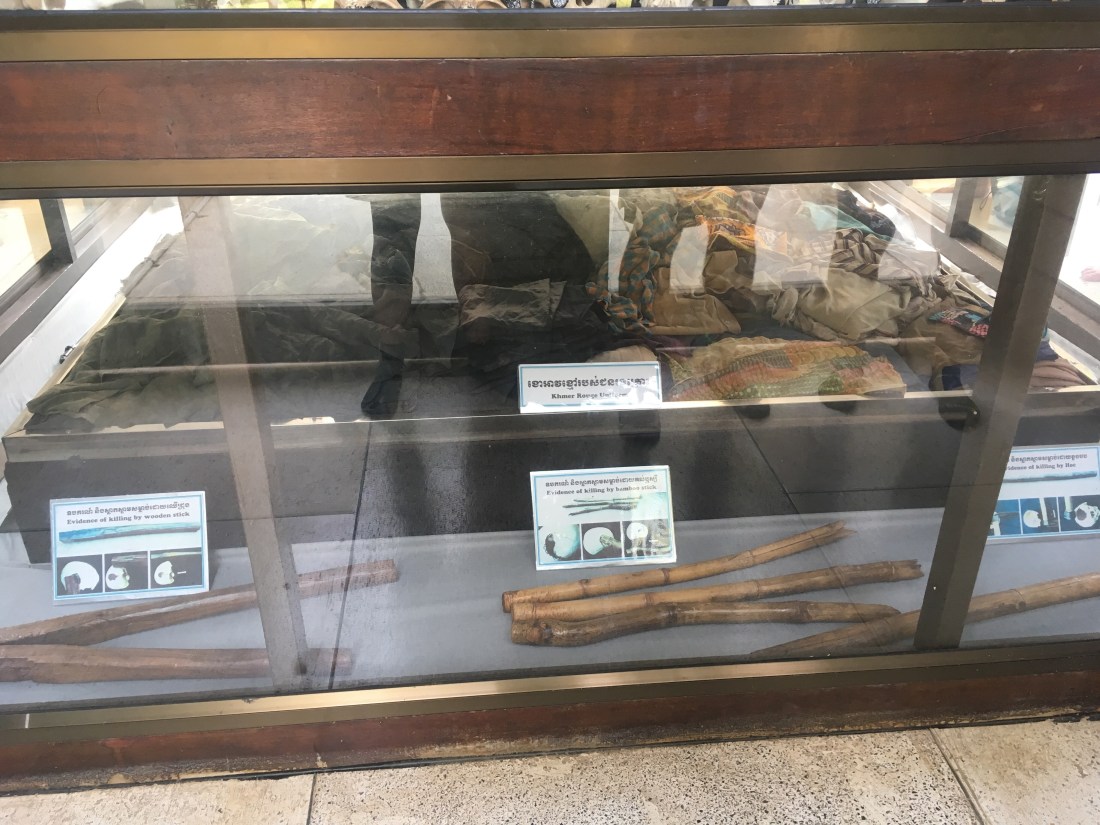
The next place we visited, was the S21 detention centre. This was a school before the Kymer Rouge took it over and turned it into the largest “detention” (torture :bloke) centres. We were encouraged to take pictures outside but not within the buildings. Here, they built cells to keep the prisoners and kept them all tied down with shackles and chains. They beat them and tortured them daily and they all had to abide by the rules or be tortured harder. After “truth” was extracted they were moved on to the Killing Fields, only 11 survived.
The buildings also housed photos of all the victims. The photos were taken on arrival and it is clear from the smiling faces that many of them had no idea of the horrors to come. They all looked so young. They also took photos of them again, after they had killed them. There were six photos of travelling foreigners caught up in the conflict. They too were killed.
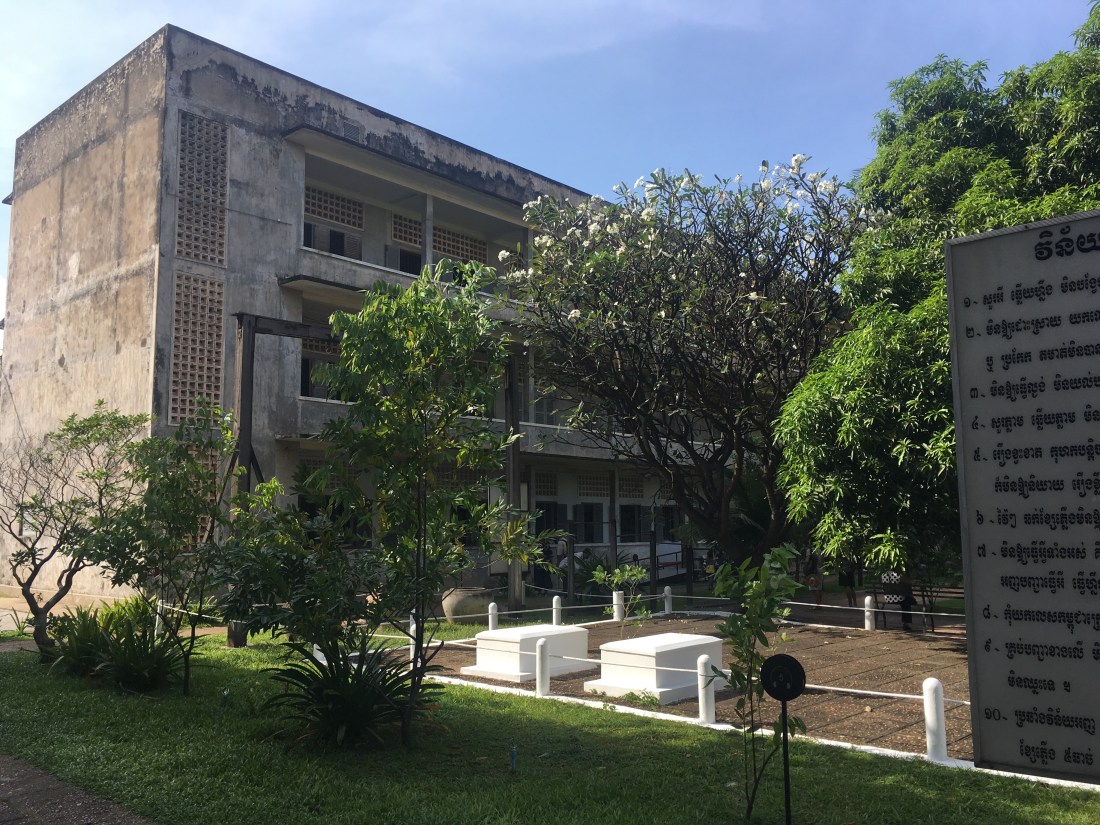
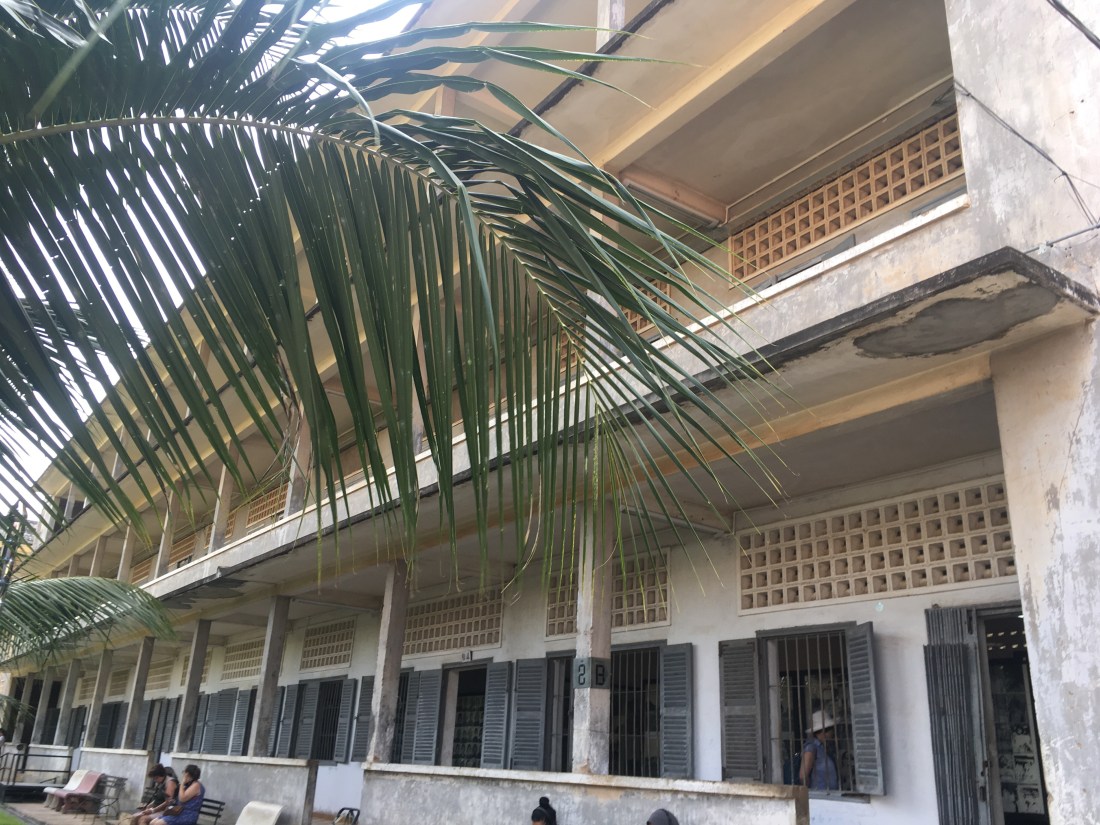

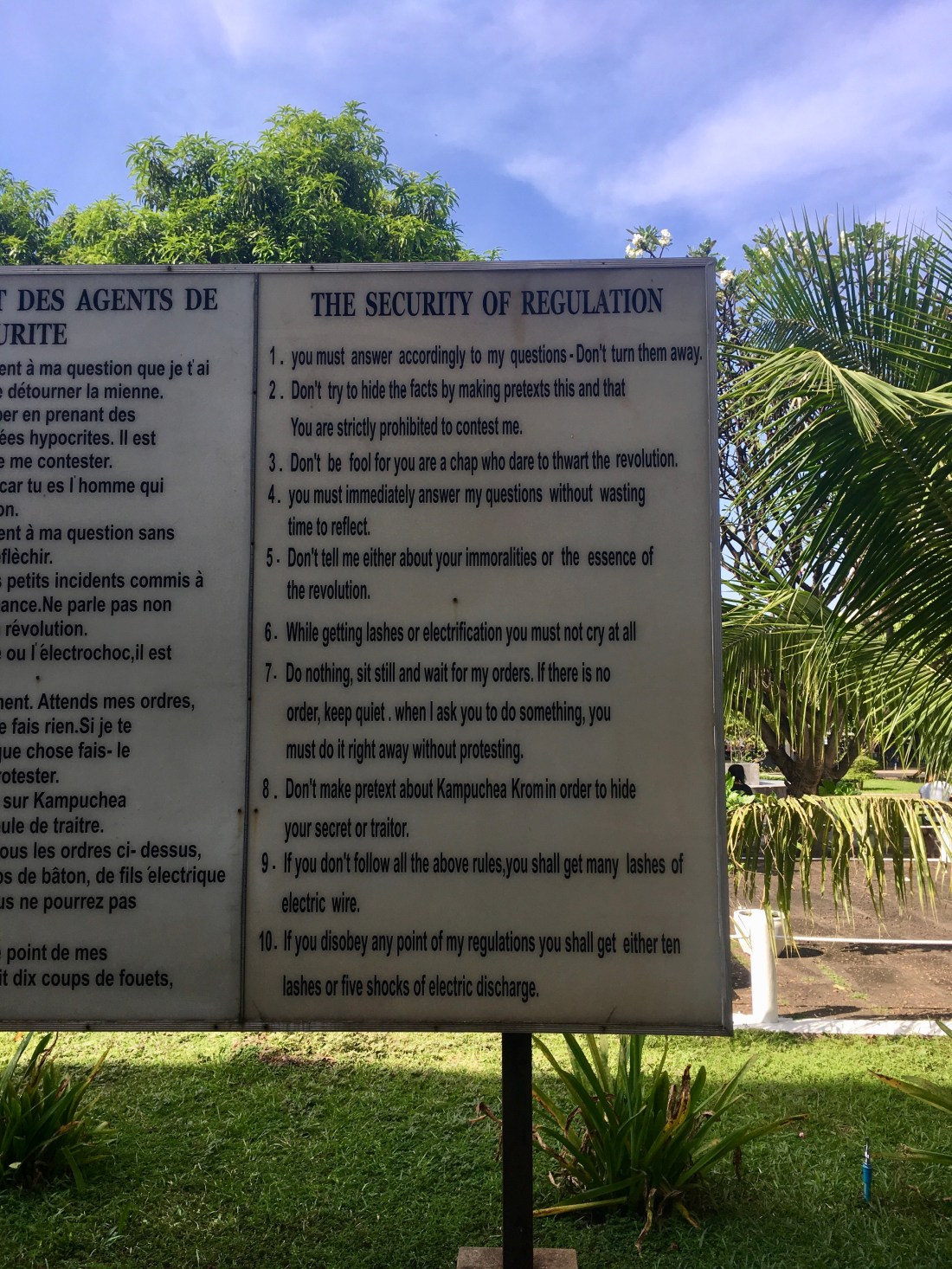
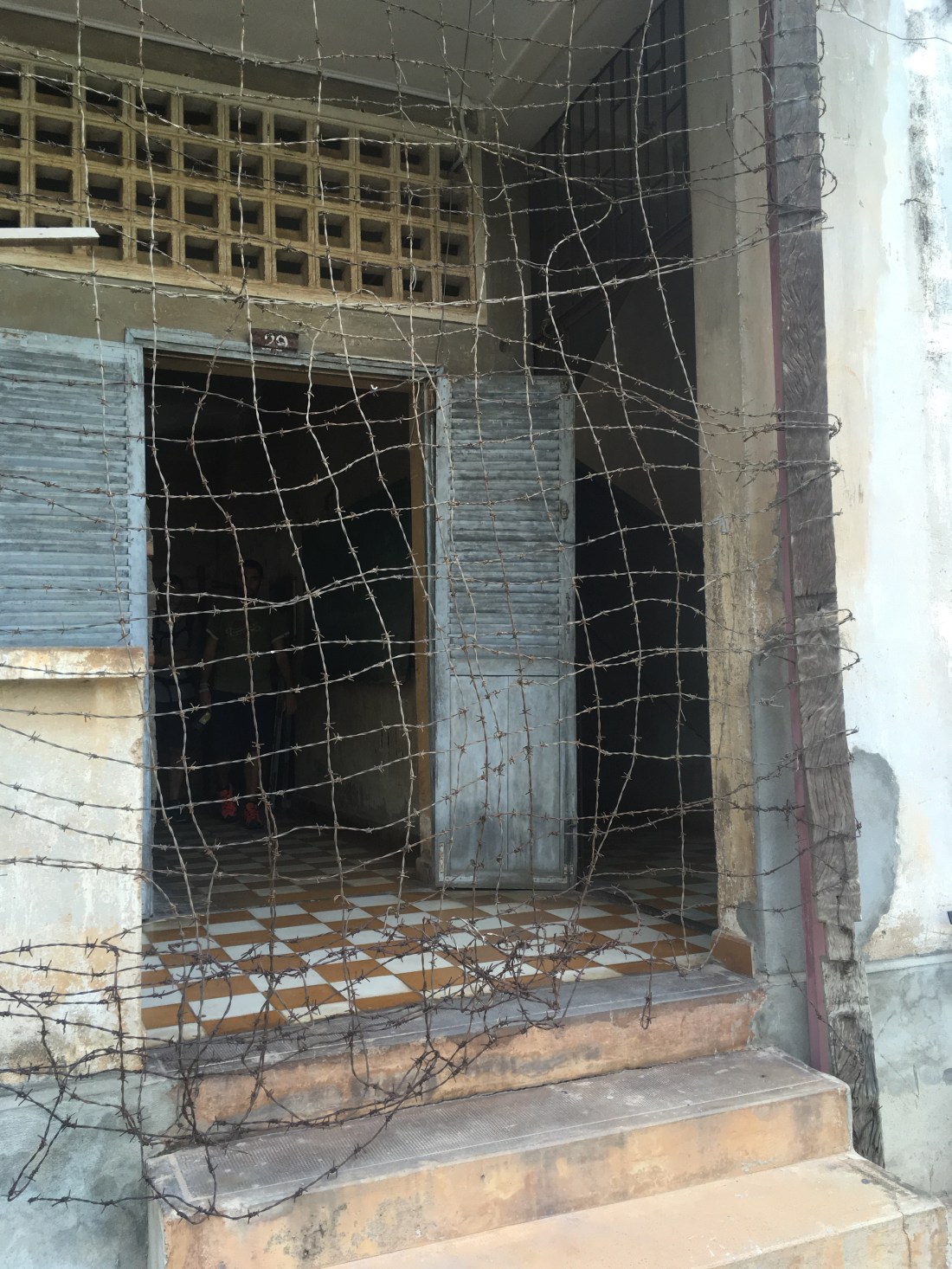

The people of Phomn Penh have worked hard since those times to build new lives for themselves, after the regime had been taken down, they moved back to the city to start again. They did not get their own houses back again, it was a first come first served basis, and those who arrived first, got their pick of the crop.
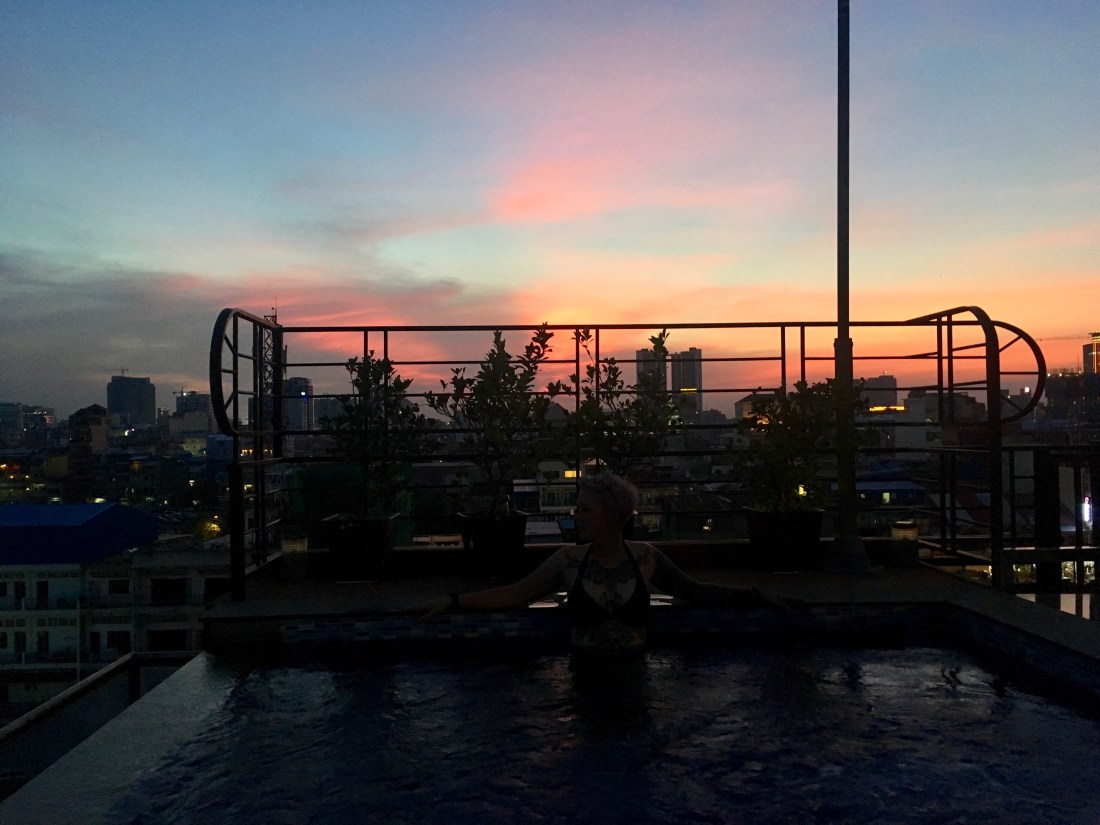
40 years on and they are a happy, welcoming people and the city feels vibrant and thriving. We have really enjoyed our stay here and wish we could stay longer, there seems so much more to experience. We finished off our day in the spirit of the country: mindful of the past, but embracing the now – with cocktails in the roof bar, a wander through the night market and dinner in a terrace restaurant.
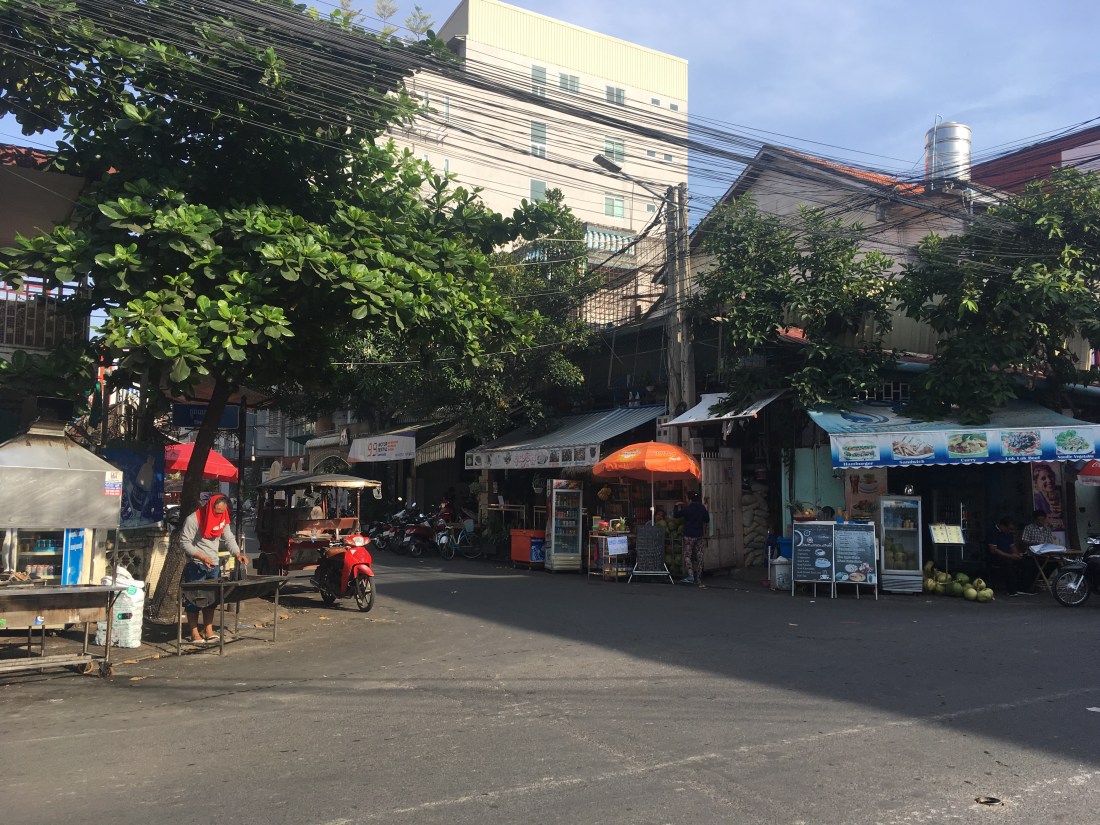 Street life right outside the doors of S21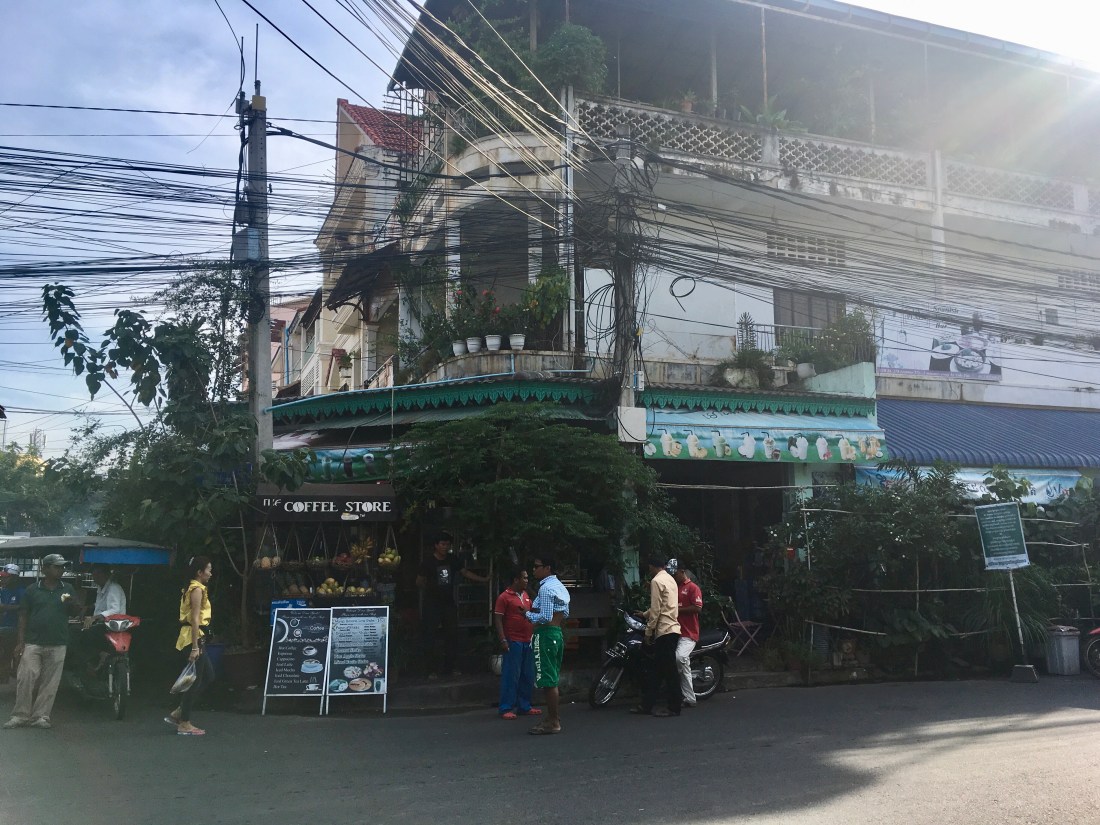


 Adventures of a middle aged mountain biker
I’ve always wanted to see Cambodia, but safety has always been a concern. Great write up. You’ve given me the chance to travel from the safety of my armchair.
LikeLike
All I can say is, if you get the chance Tandi, do it! I loved it and would love to go back and see more of it.
LikeLiked by 1 person